Business Name: Adage Home Care
Address: 8720 Silverado Trail Ste 3A, McKinney, TX 75070
Phone: (877) 497-1123
Adage Home Care
Adage Home Care helps seniors live safely and with dignity at home, offering compassionate, personalized in-home care tailored to individual needs in McKinney, TX.
8720 Silverado Trail Ste 3A, McKinney, TX 75070
Business Hours
Monday thru Sunday 24 Hours a Day
Facebook: https://www.facebook.com/AdageHomeCare
Instagram: https://www.instagram.com/adagehomecare/
LinkedIn: https://www.linkedin.com/company/adage-home-care/
When a fall, power interruption, or abrupt health modification turns a common day into a scramble, the distinction between a close call and a crisis frequently boils down to preparation. Households weighing senior home care versus assisted living generally concentrate on companionship, independence, and cost. In my experience, the less attractive concern matters just as much: exactly what happens when things go sideways? Emergencies expose the spaces in planning and the strengths of a system, specifically for older adults who may have intricate medical needs.
I have assisted families set up emergency-ready regimens in both settings, and the truths vary in ways that aren't obvious from brochures. Home is familiar, versatile, and individual, but aid may be minutes away unless you've built a strategy that accounts for that delay. Assisted living has staff on-site and a defined event procedure, yet staffing ratios and building-wide concerns can trigger bottlenecks throughout a big occasion. Both can work well, and both can fail if you presume instead of verify.
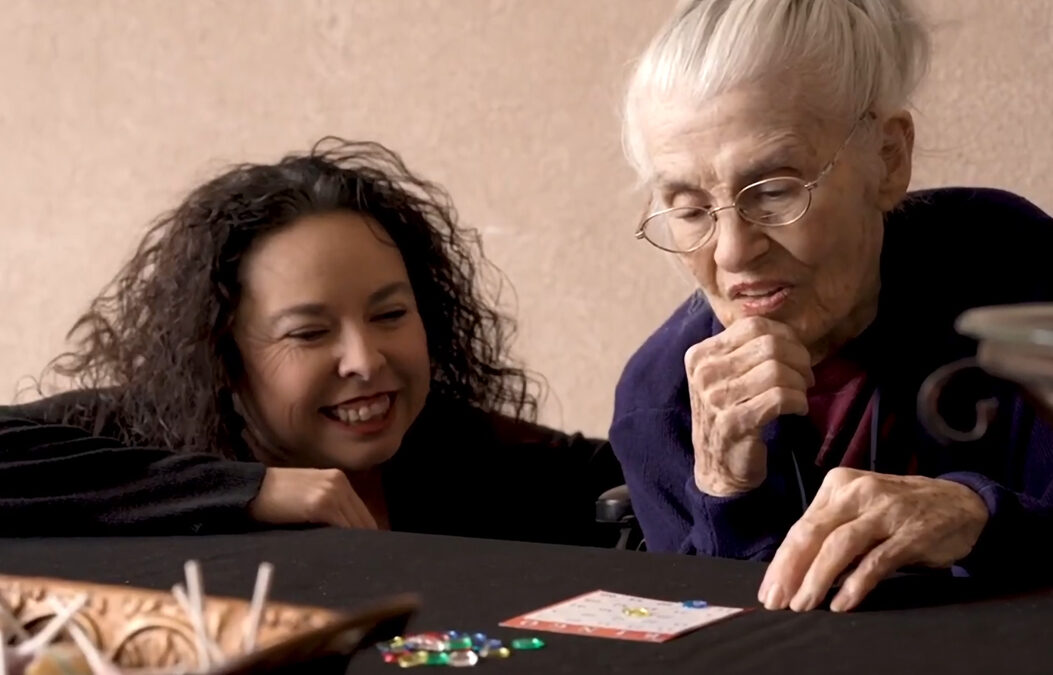
This guide strolls through home care how emergency situations play out in in-home care and assisted living, where the powerlessness tend to hide, and how to enhance your action no matter which path you choose.
What "emergency all set" really means
Emergency readiness for older adults is not a binder on a shelf. It is a living system that ties people, equipment, and decisions together. A solid strategy covers fast medical events like strokes or hypoglycemia, environmental threats such as fires and storms, and slow-burn problems that unexpectedly peak, consisting of dehydration, medication mistakes, or roaming. It also expects logistics: who calls 911, who has the key to the front door, who meets paramedics at 2 a.m., who collects medication lists, and who authorizes treatment if the individual can not promote themselves.
The right strategy fits the person's health profile. A 92-year-old with heart failure and insulin-dependent diabetes requires a different setup than a 74-year-old with mild arthritis. The setting shapes what is possible. Senior home care can personalize nearly anything, while assisted living offers structure and instant access to staff. The technique is matching real dangers to genuine resources.
How emergencies usually unfold at home
In-home senior care centers on the individual. A senior caregiver understands the day-to-day standard, which assists them identify "off" minutes early. That familiarity is an effective safety advantage. I have actually seen a part-time caregiver catch a urinary system infection based on a slight change in gait and alertness, preventing a hospitalization by getting antibiotics the exact same afternoon.
Response time depends upon who exists and what tools you have in place. If a caretaker is on-site, they examine, follow the care strategy, and call for assistance when needed. If the person is alone, a fall detection gadget, wise speaker, or phone becomes the lifeline. Seconds matter for strokes and heart events. Minutes matter for extreme hypoglycemia, breathing distress, or uncontrolled bleeding.

Common failure points in the house are ordinary however substantial. Doors locked without a lock box hold-ups EMS gain access to by crucial minutes. Medications spread across the kitchen sluggish paramedics who need an accurate list. Relative argue over a do-not-resuscitate order since the initial file beings in a desk drawer nobody can find. Those small frictions develop huge risks under stress.
The counterbalance is versatility. With the ideal home care service, you can tailor equipment, staffing, and regimens to the individual, the design of your house, and the area. A night owl can have late-shift coverage. A rural home can stock additional oxygen and a backup generator for power-dependent gadgets. You can choose the fall mat that fits the bedroom and the GPS view the individual will really wear. Customizing lowers failure points.
How emergency situations usually unfold in assisted living
Assisted living offers immediacy. Pull cables, wearable signals, and regular personnel rounds mean someone shows up quickly. The building usually has posted paths for evacuation, on-site emergency sets, and designated roles for who triages, who calls 911, and who satisfies first responders. When the issue includes one resident, the response can be remarkably fast.
The weak points show when numerous occasions occur at the same time or when the emergency situation is building-wide. A significant storm can stretch staff who are covering extra shifts and assisting lots of residents. A nighttime fall in two spaces can mean one resident waits longer than suitable. Policies differ by neighborhood. Some do not enable staff to administer particular as-needed medications without a nurse. Some require a health center transfer for anything beyond small emergency treatment. Households in some cases assume higher medical capability than the license allows.
Communication is another sticking point. Facilities have to stabilize personal privacy laws with immediate updates. I have actually fielded calls from upset adult kids who discovered of a 2 a.m. ER transfer only at breakfast. Great neighborhoods establish expectations on who gets called, when, and how. It is reasonable to request that clearness before move-in.
Medical emergency situations: the stroke-or-heart-attack test
A fast neurologic modification or chest pain will evaluate any setting. In your home, the timeline appears like this: recognition, call 911, unlock the door, collect medication information, and satisfy responders. Best-case dispatch-to-door arrival ranges from 5 to 12 minutes in cities, often 15 to 25 minutes in suburban areas, and longer in backwoods. Recognition is the linchpin. A caregiver who sees facial droop or an abrupt inability to stand can strike the ground running. A senior living alone depends upon their own awareness, a fall detector, or a check-in routine.
In assisted living, a pull cable or staff check triggers immediate evaluation and a call to 911. Personnel often collect the essentials and path paramedics through the fastest entry. Time from occasion to expert assessment can be tighter due to the fact that the first step occurs quickly. That said, if the resident remains in a memory care wing during a night shift, the initial employee might need to juggle security for others while awaiting backup.
In both settings, talking through the first 10 minutes deserves the effort. Who chooses to call 911? What is the limit? Who has the medication and allergic reaction list? If the person is DNR, where is the evidence? These answers ought to be practiced, not simply printed.
Falls: frequency, prevention, and the 3 a.m. reality
Falls are the most typical home event I see. In-home care decreases fall risk by adjusting the environment and schedule, but no home can eliminate every risk. Throw carpets, pets underfoot, dim corridors, and nighttime restroom trips combine into a pattern. The best threat is the unobserved fall, which can result in press injuries, dehydration, or rhabdomyolysis after hours on the floor.
Assisted living tackles falls with staffing, lighting, and clear pathways, yet locals still fall, specifically when they attempt to do something fast, like getting to the bathroom. The benefit is detection. Unwitnessed falls are less most likely to go unnoticed for long, specifically with bed sensing units or motion signals. The trade-off is autonomy. To decrease danger, a neighborhood might limit specific activities without guidance, which can irritate citizens used to independence.
I ask households to think about their loved one's pattern. If falls take place at night, think about overnight care hours in the house or a space place near personnel in assisted living. If orthostatic hypotension is a problem, monitor blood pressure throughout shifts from sitting to standing. A small tweak like including a bedside commode can avoid the most frequent mishap in both settings.
Fire, smoke, and serious weather
Homes ought to have working smoke alarm in each bedroom, outside sleeping areas, and on every level, plus carbon monoxide gas alarms. Lots of do not. Evacuation depends on movement, vision, hearing, and the home's design. Split-level homes complicate fast exits. The best home strategies include illuminated paths, door alarms for folks who might roam, and a practice run with the senior caretaker so the path is muscle memory, not theory.
Assisted living facilities drill routinely, post evacuation paths, and have personnel trained to move citizens safely. They frequently zone their buildings, consist of smoke, and keep go-bags with essentials. Yet a building-wide alarm can trigger confusion. Elevators may be unavailable. Homeowners with dementia can withstand or panic. Great neighborhoods train for these moments. You can ask to observe a drill or a minimum of see documents and staff training schedules.
Severe weather condition raises power. At home, a generator is not a high-end if somebody utilizes oxygen concentrators, powered medical facility beds, or specialized pumps. Battery backups supply a buffer however generally not for days. Some assisted living communities have full generators that power HVAC and elevators. Others only power typical areas and crucial equipment. Ask for specifics, not assurances.
Medication mistakes and fast fixes
Medication mix-ups are quiet emergency situations. Double dosing, missed insulin, or drugs that interact can snowball. In-home care can be incredibly safe when a senior caretaker handles a weekly pillbox, logs dosages, and cross-checks prescriptions with one drug store. Trouble starts when several people assist, each presuming the other dealt with it.
Assisted living minimizes error threat through central management, barcoded packaging, or electronic MARs. The catch is rigidity. PRN discomfort medications may require a nurse assessment, which might postpone relief at 4 a.m. The balance in between speed and security varies by constructing license and staffing.
A practical secure in both settings is a single-page medication sheet updated after every consultation. Color code high-risk medications like anticoagulants or insulin. Keep that sheet where it can be gotten in seconds.
Cognitive problems and the roaming problem
Dementia alters the reaction calculus. In your home, roaming is a significant danger, especially at dusk. Door alarms, GPS-enabled shoes or watches, and a layered regimen of visual hints help. Not all gadgets are created equivalent. If it requires nightly charging, it will ultimately rest on the counter just when it is needed. Select something with a long battery life and basic charging practices, then set calendar pointers for replacements.
In assisted living, protected memory care wings resolve the exit risk but can intensify distress if the environment over-stimulates or personnel turnover is high. Throughout emergencies, residents with dementia take their cues from calm, familiar faces. Connection matters. Ask how frequently staffing tasks change and how emergency training addresses behavioral symptoms like agitation or refusal.
Cost, staffing, and sensible expectations
Emergency preparedness has monetary and human expenses. In-home care often requires investing in innovation, backup power, and caregiver hours targeted to risk windows. It likewise depends on family or next-door neighbor assistance for the gaps. Assisted living wraps lots of security functions into a predictable month-to-month charge, however you are likewise sharing resources with dozens of homeowners. Graveyard shift staffing ratios can be lean. Be clear-eyed about what your monthly cost purchases in regards to action speed after midnight.
Families sometimes assume a nurse is on-site 24 hours. Numerous assisted living neighborhoods have nurses on call overnight, not on the flooring. If you require 24-hour nursing, you are looking at a various license level, often a skilled nursing facility.
Measuring the strategy: simple drills that inform the truth
Paper strategies look neat. Practice reveals the snags. I encourage households to run little drills, kindly and without fanfare. In the house, call the number published on the refrigerator from a next-door neighbor's phone and see the length of time it takes to reach the on-call care coordinator. Time how quick you can find the DNR and the medication sheet. Check the fall alert with the keeping track of company's supervision, then keep in mind for how long it takes for the first return call.
In assisted living, ask how frequently they evaluate pull cables and wearable pendants. Ask for a demonstration of how the system logs and escalates signals. If the reaction time requirement is 3 minutes, ask to see anonymized audit data. Affordable neighborhoods will share metrics.
The human side of emergency situations: worry, self-respect, and choice
Preparedness is not only logistics. It has to do with self-respect. Some older adults fear being blended to the health center for every wobble, so they hide signs. Others call 911 for every single ache. The strategy needs to reflect personal thresholds and values, ideally documented in clear advance instructions and POLST or MOLST kinds when appropriate.
In-home care makes it simpler to honor regimens that soothe stress and anxiety. The same chair, the exact same lamp, the same caretaker face. Assisted living offers predictability that can minimize fear of being alone during the night. I have watched a proud Navy veteran unwind as soon as he knew that if he pulled a cord, somebody would stroll through his door within a few minutes. Self-respect can appear like speedy assistance without a fuss.
Technology that actually helps
There is no shortage of devices guaranteeing security. A couple of provide consistent worth when matched to the person.
- A trustworthy medical alert with automated fall detection and GPS advantages active seniors who stroll outside or hang around alone. Validate battery life and drop-call rates in real conditions. Smart locks paired with a realtor-style lock box or keypad eliminate the "break the door" predicament for EMS. Ambient sensing units that learn patterns can identify anomalies like no kitchen area activity by twelve noon or restroom overuse suggestive of infection. They are peaceful and non-intrusive, good suitable for folks resistant to wearables. Video doorbells let families confirm who responded after an alert without setting up a video camera inside the home, which can cross privacy lines. A power-failure alarm that texts the care team is crucial for homes with medical equipment. It is a small, low-cost device that prevents a disaster after a storm.
The finest technology disappears into the routine. If someone must charge a wearable two times a day, it will fail. Pick tools that line up with routines, not aspirational behavior.
Questions to ask before you commit
Choosing between senior home care and assisted living must include pointed concerns about emergencies. Keep the list brief and particular so you get concrete answers.
- In this setting, what takes place in the first five minutes after a medical emergency, day and night? Stroll me through the steps. What is the average and maximum reaction time to a call button or fall alert throughout overnight hours in the past quarter, and how is that audited? Where are advance instructions saved, and how does personnel gain access to them at 2 a.m.? For power-dependent equipment, what is the backup plan and the length of time can it run without the grid? Who contacts household during an emergency situation, in what order, and within what timeframe?
You discover a lot from how confidently and particularly a provider responses. Vague reassurances are a red flag.
Building a resistant home plan
If you go with elderly home care, invest early in a resilient structure. Map the home with a security lens. Brighten hallways, mark steps with contrasting tape, secure throw rugs, and include grab bars where hands instinctively reach. Keep the bedroom and bathroom on the very same level when possible. Create a one-page emergency sheet with the individual's full name, date of birth, allergies, diagnoses, medication list, primary physician, chosen medical facility, and contact numbers. Laminate it and place copies on the refrigerator and home care in a go-bag.
Set staffing to run the risk of. If sundowning hits from 4 to 9 p.m., that is where you desire your most skilled senior caretaker. If early morning transfers are dangerous, add a second set of hands for 90 minutes. Use neighbor networks for coverage spaces, and be direct about roles and boundaries.
Do a twice-yearly drill. Test alarms, replace batteries, validate that EMS can access the lock box, upgrade the medication list, and confirm that everyone understands who leads during an emergency. Little, regular tune-ups beat one grand strategy that grows stale.
Working with a community to improve response
For assisted living, partner with the team. Share details that matter in a crisis, not simply the documentation essentials. If your mother declines unidentified paramedics unless someone she understands exists, tell the nurse manager and get that choice in the care strategy. Bring 2 identified sets of clothing and shoes that are easy to put on quickly. Place a clear folder by the bed with the current medical summary and a copy of any DNR or POLST.
Ask for a short conference with the administrator or director of nursing focused entirely on emergency situation scenarios. Frame it as partnership. Neighborhoods react well to households who are arranged, respectful, and consistent. Deal to provide laminated files and images of medications with does. These small touches reduce turmoil at 3 a.m.
When needs modification, upgrade the setting
Preparedness is dynamic. An individual who thrived with in-home care and a medical alert might start to miss the button in a crisis as cognitive disability progresses. Conversely, somebody in assisted living who has gone a year without any occurrences and is frustrated by limitations may do well back at home with targeted assistance and much safer improvement. Evaluation patterns every three to 6 months. Take a look at information you can trust: number of falls, hospitalizations, urgent calls, and nights with agitation.
Shift early rather than after a crisis. The worst transitions happen from a medical facility bed under pressure. The very best occur with time to tour, meet staff, compare strategies, and stage the move.
What households typically neglect, and how to fix it
Three overlooked products hinder otherwise good plans. Initially, the lack of a clear decision maker. Designate a main and a backup, both with access to files and the authority to act. Second, insurance details and wallet cards. Keep copies of cards and IDs in the go-bag. Health center intake moves much faster, and medication reconciliation starts quicker. Third, coordination across service providers. If your home care service updates a medication, make sure the primary care office, pharmacy, and any experts see the modification. Mismatched lists cause errors.
One more thing: practice communication under tension. Agree on a household group text design template for emergency situations, including what is understood, what is unidentified, and when the next upgrade will come. It decreases panic and avoids the care team from fielding a lots calls while trying to handle the situation.
Matching setting to person: a useful view
The right option streams from the individual's risks, choices, and regional resources. Senior home care stands out when you can cover danger windows with trustworthy caregivers, equip the home with wise security tools, and coordinate family support. It preserves routines and autonomy, which can decrease stress and anxiety and enhance adherence to care. Assisted living shines when round-the-clock distance to staff and building-level systems surpass the advantages of staying at home, specifically for those with frequent nighttime requirements, wandering, or a history of medical events that need rapid observation.
I have seen both paths provide safety and assurance. The very best results came from families who did the unglamorous preparation work: sensible staffing in the house, unambiguous documents, practiced pathways, and truthful reviews. The worst came from wishful thinking that someone, somewhere, would simply deal with it.

Bringing it together
Emergency preparedness is an everyday practice, not an emergency-only task. Whether you pick in-home care or a community, write a strategy you can perform half sleeping and in the dark. Keep tools simple, documents present, and functions clear. Deal with professionals who welcome your questions and show their systems, not simply describe them.
Safety is not the lack of threat. It is the existence of capability. With the ideal mix of planning, individuals, and tools, both senior home care and assisted living can satisfy the moment when the moment matters most.
Adage Home Care is a Home Care Agency
Adage Home Care provides In-Home Care Services
Adage Home Care serves Seniors and Adults Requiring Assistance
Adage Home Care offers Companionship Care
Adage Home Care offers Personal Care Support
Adage Home Care provides In-Home Alzheimer’s and Dementia Care
Adage Home Care focuses on Maintaining Client Independence at Home
Adage Home Care employs Professional Caregivers
Adage Home Care operates in McKinney, TX
Adage Home Care prioritizes Customized Care Plans for Each Client
Adage Home Care provides 24-Hour In-Home Support
Adage Home Care assists with Activities of Daily Living (ADLs)
Adage Home Care supports Medication Reminders and Monitoring
Adage Home Care delivers Respite Care for Family Caregivers
Adage Home Care ensures Safety and Comfort Within the Home
Adage Home Care coordinates with Family Members and Healthcare Providers
Adage Home Care offers Housekeeping and Homemaker Services
Adage Home Care specializes in Non-Medical Care for Aging Adults
Adage Home Care maintains Flexible Scheduling and Care Plan Options
Adage Home Care has a phone number of (877) 497-1123
Adage Home Care has an address of 8720 Silverado Trail Ste 3A, McKinney, TX 75070
Adage Home Care has a website https://www.adagehomecare.com/
Adage Home Care has Google Maps listing https://maps.app.goo.gl/DiFTDHmBBzTjgfP88
Adage Home Care has Facebook page https://www.facebook.com/AdageHomeCare/
Adage Home Care has Instagram https://www.instagram.com/adagehomecare/
Adage Home Care has LinkedIn https://www.linkedin.com/company/adage-home-care/
Adage Home Care won Top Work Places 2023-2024
Adage Home Care earned Best of Home Care 2025
Adage Home Care won Best Places to Work 2019
People Also Ask about Adage Home Care
What services does Adage Home Care provide?
Adage Home Care offers non-medical, in-home support for seniors and adults who wish to remain independent at home. Services include companionship, personal care, mobility assistance, housekeeping, meal preparation, respite care, dementia care, and help with activities of daily living (ADLs). Care plans are personalized to match each client’s needs, preferences, and daily routines.
How does Adage Home Care create personalized care plans?
Each care plan begins with a free in-home assessment, where Adage Home Care evaluates the client’s physical needs, home environment, routines, and family goals. From there, a customized plan is created covering daily tasks, safety considerations, caregiver scheduling, and long-term wellness needs. Plans are reviewed regularly and adjusted as care needs change.
Are your caregivers trained and background-checked?
Yes. All Adage Home Care caregivers undergo extensive background checks, reference verification, and professional screening before being hired. Caregivers are trained in senior support, dementia care techniques, communication, safety practices, and hands-on care. Ongoing training ensures that clients receive safe, compassionate, and professional support.
Can Adage Home Care provide care for clients with Alzheimer’s or dementia?
Absolutely. Adage Home Care offers specialized Alzheimer’s and dementia care designed to support cognitive changes, reduce anxiety, maintain routines, and create a safe home environment. Caregivers are trained in memory-care best practices, redirection techniques, communication strategies, and behavior support.
What areas does Adage Home Care serve?
Adage Home Care proudly serves McKinney TX and surrounding Dallas TX communities, offering dependable, local in-home care to seniors and adults in need of extra daily support. If you’re unsure whether your home is within the service area, Adage Home Care can confirm coverage and help arrange the right care solution.
Where is Adage Home Care located?
Adage Home Care is conveniently located at 8720 Silverado Trail Ste 3A, McKinney, TX 75070. You can easily find directions on Google Maps or call at (877) 497-1123 24-hours a day, Monday through Sunday
How can I contact Adage Home Care?
You can contact Adage Home Care by phone at: (877) 497-1123, visit their website at https://www.adagehomecare.com/">https://www.adagehomecare.com/,or connect on social media via Facebook, Instagram or LinkedIn
Strolling through charming shops, galleries, and restaurants in Historic Downtown McKinney can uplift the spirits of seniors receiving senior home care and encourage social engagement.